

A whole-home electrical job usually starts with a walk-through of your panel, wiring, and outlets to find what's outdated or unsafe, then a plan that might include a panel upgrade, partial or full rewiring, and surge protection. The right scope depends on your home's age, panel condition, and wiring type, not a one-size answer.
When people call me about "whole home" electrical work, they usually mean one of two things: something feels off all over the house, or they're renovating and want everything brought up to current standards at once. Either way, the first step is the same. I look at the panel, trace what I can of the wiring, and ask how old the house is and what's already been touched. From there we talk about what actually needs doing now versus what can wait, so you're not paying for more than the house needs.
What does a whole-home electrical job actually cover?
- Panel condition and capacity
- Wiring type and age
- Outlet and switch safety
- Whole-house surge protection
- Grounding and bonding
It depends on the house, but the pieces I look at most often are the same: the main panel and whether it has room and capacity for what you're running, the condition of the wiring (copper versus aluminum, cloth-wrapped versus modern), outlet and switch safety, and whether the home has any surge protection at all.
Some homes only need targeted repairs, like a few outdated outlets swapped and a couple of circuits corrected. Others, especially older homes in Raleigh's in-town neighborhoods, need a fuller rewire because the existing wiring is past its safe life. I'll tell you plainly which category your home falls into after I've actually looked, not before.
What signs mean it's time for a full look, not just a quick fix?
- Lights flicker in more than one room
- Breakers trip without an obvious cause
- Outlets or switch plates feel warm
- Panel is original to an older home
- You've never had aluminum wiring checked
One tripped breaker or a dead outlet is usually a small job. But a pattern of problems, flickering lights in multiple rooms, breakers that trip under normal use, warm outlet covers, or a panel that's decades old, is a sign the whole system needs eyes on it, not just the one thing you noticed.
Homes with aluminum branch wiring or original knob-and-tube deserve a full assessment even if nothing feels wrong yet, because the risk with those materials builds quietly. If your home falls into that category, I'd rather walk through it with you now than wait for a symptom.
How do I know if I need repairs or a full rewire?
The honest answer is I can't tell you over the phone. Wiring age, the number of past updates, and what's accessible in your attic or crawlspace all matter. A home that's had a few rooms remodeled over the years might already have newer wiring in those areas and only need the rest brought current.
What I do on site is check the panel labeling, sample a few outlets and switches, and look at accessible wiring runs. That tells me whether we're talking about a handful of repairs, a partial rewire of one section, or a full house rewire. I'll walk you through what I find before we talk about next steps.
Where do panel upgrades and surge protection fit in?
A panel upgrade often comes up as part of whole-home work because an older or undersized panel limits everything else, adding an EV charger, a generator, or even just enough circuits for a growing household. If your panel is maxed out or original to the house, it's usually the first thing we address.
Whole-house surge protection is a smaller add but worth talking about at the same time, since it's installed at the panel and protects everything downstream. It's not a fix for wiring problems, but it's a reasonable piece of a broader electrical plan if you're already having the panel opened up.
What happens when I come out to look at the whole system?
I start at the panel, since that tells me the most in the least time. Then I go room by room checking outlets, switches, and any visible wiring, and I ask about anything you've noticed, even small stuff like a light that buzzes or an outlet that's never worked right.
A standard service call carries an $89 diagnostic fee. That covers the visit and the assessment, and if we move forward with the work, we'll talk through pricing for that specific job before anything starts. I don't like surprises on a bill any more than you do.
Why does it matter who does whole-home electrical work?
Whole-home work touches your panel, your wiring, and often your home's grounding, all things that matter for safety and for insurance and resale down the road. It should be done by a licensed contractor who pulls permits when the job calls for it and can explain what they found and why.
I'm licensed with the state (NC L.32531) and I've been doing this work in Raleigh, Wake Forest, Durham, and Cary for years. If you want to check any contractor's license, the NC Board of Examiners of Electrical Contractors keeps a public lookup.
Frequently Asked Questions
How much does whole home electrical work cost in Raleigh?
It depends entirely on scope, whether we're talking about a handful of repairs, a panel upgrade, or a full rewire. Home size, wiring type, and accessibility all affect the number. I'll give you a firm price for your specific job after the on-site assessment.
Do I need a permit for whole home electrical work?
Many whole-home projects, especially rewiring or panel upgrades, require a permit and inspection through the City of Raleigh or your local jurisdiction. I handle that process as part of the job so it's inspected and documented correctly.
How long does a whole-home electrical job take?
A few targeted repairs might be done in a day. A full rewire of an older home takes considerably longer and depends on the house's size and how accessible the walls, attic, and crawlspace are. I'll give you a realistic timeline once I've seen the scope.
Is my old aluminum wiring actually dangerous?
Aluminum branch wiring from the era it was common can develop connection problems over time that create heat at outlets and switches. It doesn't mean immediate danger, but it's worth having checked, especially if it's never been evaluated.
Can you just fix a few outlets instead of rewiring everything?
Often, yes. Not every issue means the whole house needs new wiring. I'll tell you honestly if targeted repairs are enough, or if I think a fuller rewire is the safer long-term call, and explain why either way.
Do you serve my town?
I work throughout Raleigh, Wake Forest, Durham, and Cary. If you're just outside those areas, give me a call and I can tell you whether it's a fit.
What is the $89 diagnostic fee for?
It covers the cost of coming out to assess your electrical system, whether that's one issue or a whole-home look. If you move forward with the repair or project, we'll agree on pricing for that work separately.
Should I upgrade my panel even if nothing's wrong yet?
If your panel is undersized, outdated, or you're planning to add an EV charger or generator down the road, it's worth discussing now rather than after something fails. I can tell you where your panel stands during a visit.
Let's look at your home's electrical system together
Call me at (919) 670-4005 and we'll set a time to walk through your home and figure out what it actually needs.
Hugo – Founder & Master Electrician
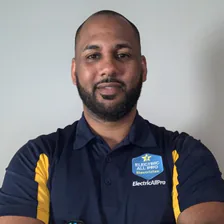
Hugo has more than 20 years in the electrical trade across Wake County and the Triangle. He built Electric All Pro on one promise: honest work, done right, explained in plain words.