EV Charger Installation in Raleigh, NC
Hardwired Level 2 EV charger installation in Raleigh, NC with a dedicated circuit and load calculation. Permit and inspection coordination is available as a separately quoted service.
Level 2 Hardwired Charger Installation $800 – $1,800 You supply the charger. Final price confirmed after a free on-site estimate. 5.0 out of 5(185+ Google reviews) 185+ Google reviews Licensed & Insured NC License L.32531- Dedicated circuit, sized to code (50A or 60A)
- Load calculation before any circuit is added
- Permit coordination, quoted separately

Get a Free Installation Estimate
Tell us about your charger and where it goes. No obligation.
- Level 2 Hardwired $800–$1,800 Dedicated circuit, mounting and testing. You buy the charger.
- With a Panel Upgrade $4,500–$5,000 When the load check shows the panel cannot take the circuit.
- Time On Site 2–4 Hours Most installations are done in one visit of 2–4 hours.
- Installation Estimate Free We check your panel, the charger and the wire path first.


EV Charger Installation Overview
EV charger installation gives your home fast, safe overnight charging. We install a dedicated 240V circuit sized to your charger and panel, mount and wire the unit, and identify local permit or inspection requirements. When needed, permit fees and coordination are added as a separate line item before work begins.
- Fast Charging
- Panel-Safe Sizing
- Code Compliance
When To Schedule EV Charger Installation Service
Raleigh homeowners typically book an EV charger install right after buying an EV — or after a week of trickle-charging on a 120V outlet. If any of these sound familiar, it’s time to schedule.
- Your EV takes more than 24 hours to charge on a wall outlet
- You’re using public fast chargers weekly just to keep up
- A new EV or plug-in hybrid is arriving soon
- Your charger came with the car but is still in the box
- You want charging on a schedule for off-peak rates
- A second EV is joining the household
EV Charger Installation Pricing Guidance
EV charger installation pricing in Raleigh, NC depends on the scope of work at each property. The factors below have the biggest impact on final cost.
-
Level 2 Hardwired Installation
$800–$1,800Dedicated circuit, standard labor, mounting, hardwiring and electrical testing. You buy the charger.
-
Level 2 + Panel Upgrade
$4,500–$5,000Installation that needs a panel upgrade first, when the load calculation shows the panel is full.
-
Panel Capacity
A Level 2 charger needs a dedicated 50A or 60A circuit. If your panel is near capacity, a subpanel or upgrade adds cost.
-
Wire Run Distance
Panel next to the garage = lower end. Panel across the house or a detached garage = higher end.
-
Charger and Amperage
Hardwired vs plug-in, 32–48A output, and smart features affect the unit price and circuit size.
- 2–4 hours on site
- Installation estimates are free
- Financing on estimates over $1,000
Level 1 vs Level 2 Charging
Both can charge your EV, but a Level 2 charger at home is much faster and better suited for daily driving.
-
Level 1 Charging
A simple option for lighter use1.4–1.9 kW 12 to 16 amps 120V household outlet- Uses the cord that comes with many EVs
- Plugs into a regular household outlet
- No installation needed
- Can be enough for short daily driving or a plug-in hybrid
Good for: Short daily drivingPlug-in hybridsA second car -
Level 2 Charging
A better option for daily drivingUp to 11.5 kW 48 amps on a 60 amp circuit 240V charger on its own circuit- Several times faster than Level 1
- Charger is on its own dedicated circuit
- Suited to daily driving and full battery EVs
- Smart chargers can be scheduled for off-peak hours
Good for: Daily drivingFull battery EVsOff-peak chargingLevel 2 comes two ways: hardwired or a 240V outlet

DC fast charging (sometimes called Level 3) is for public stations, not homes.
Actual charging speed depends on your vehicle’s onboard charger, the charger setting and battery level.
Not sure which you need? Ask at your free estimateHardwired or 240V Outlet?
Both are Level 2, and both get their own circuit, a load check of the panel first, and testing. The difference is how the charger connects.
| Feature | Hardwired | NEMA 14-50 Outlet |
|---|---|---|
| Best for | A charger that stays on the wall | A plug-in charger, or one that travels with the car |
| Circuit | Wired straight to its own circuit | 240V outlet on its own 50A circuit |
| Max output | Up to 48A on a 60A circuit, when the charger and car support it | A plug-in charger is limited to 40A on it |
| Hardware | No plug to wear out or loosen | A NEMA 14-50 outlet for a plug-in charger |
| Code note | The setup charger makers such as Tesla recommend | Current code requires GFCI protection, which usually means a 50A GFCI breaker |


-
Hardwired
- Best for
- A charger that stays on the wall
- Circuit
- Wired straight to its own circuit
- Max output
- Up to 48A on a 60A circuit, when the charger and car support it
- Hardware
- No plug to wear out or loosen
- Code note
- The setup charger makers such as Tesla recommend
-
NEMA 14-50 Outlet
- Best for
- A plug-in charger, or one that travels with the car
- Circuit
- 240V outlet on its own 50A circuit
- Max output
- A plug-in charger is limited to 40A on it
- Hardware
- A NEMA 14-50 outlet for a plug-in charger
- Code note
- Current code requires GFCI protection, which usually means a 50A GFCI breaker
Not sure? We help you pick at the free estimate.
Bring Your Own Charger
You buy the Level 2 charger. We mount it, wire it to its own circuit, and test it. Already bought one? Great. Not bought yet? We’ll help you choose at the free estimate.
-
Hardwired Charger
A permanently hardwired Level 2 charger.
- We mount it, wire it to its own circuit, and test it.
- We size the circuit to the charger’s amp setting and set the charger to match. Many chargers have an adjustable amp setting.
- Must be a UL-listed (safety-certified) charger.
-
240V NEMA 14-50 Plug-In Charger
A Level 2 charger plugged into a 240V outlet.
- We install the 240V outlet on its own circuit and test it.
- We size the circuit to the charger’s amp setting and set the charger to match.
- Must be a UL-listed (safety-certified) charger.

Popular Charger Brands We Install
We install Tesla and most other UL-listed Level 2 chargers.
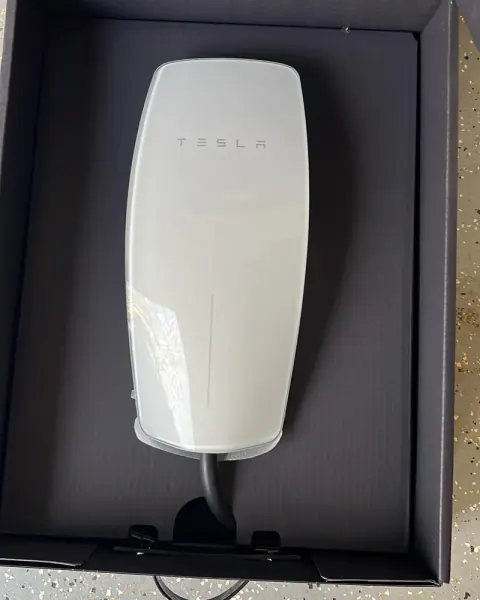
- Tesla Wall Connector
- Most UL-listed Level 2 chargers
What to have ready for the estimate
It helps us give you the most accurate recommendation.
- Charger model or a photo of the box
- Where you park your vehicle
- Where your electrical panel is
Vehicle-side adapters (for example NACS to J1772) come from the car maker, not from us.
How EV Charger Installation Gets Completed Properly
Every EV charger installation in Raleigh, NC begins with a free onsite estimate. We confirm your vehicle, charger, parking spot, and panel capacity before any work is scheduled.
-
 1
Assessment and Load Calculation
We confirm the charger specs, parking location, and wire path, then run an NEC load calculation to verify your panel can support the circuit.
-
 2
Circuit and Charger Installation
A dedicated 240V circuit is run from the panel to the charging location. The charger is mounted, hardwired, and protected to code.
-
 3
Testing and Optional Inspection
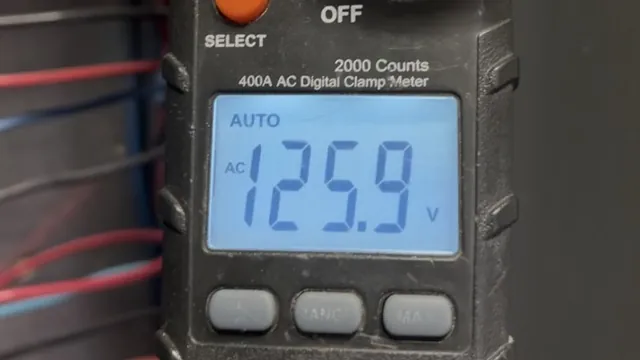
We verify voltage, charging speed, and app connectivity. If permit coordination is added, we also schedule the required city inspection.
Most installations take 2–4 hours on site.
What’s Included / What’s Not
We believe in complete transparency. Here’s exactly what’s included in our standard EV charger installation service—and what falls outside the scope of work.
Included
-
Dedicated 240V Circuit
A new circuit run from your panel to the charging location, sized to your charger.
-
Charger Mounting and Hardwiring
Wall-mounted and hardwired per Raleigh guidance, with weatherproofing for outdoor installs.
-
Standard Circuit Protection
Overcurrent protection sized to the charger and its circuit. A specialty 50A/60A GFCI breaker, when required, is quoted separately.


Not Included
-
The Charger Itself
You buy the Level 2 charger. We mount it, hardwire it to its new circuit and test it.
-
Permit & Inspection Fees
City fees, filing and inspection scheduling are quoted separately when required or requested.
-
Panel or Service Upgrade
If the load calculation shows insufficient capacity, the upgrade is quoted separately.
-
Trenching to Detached Structures
Underground runs to detached garages are priced per site after the assessment.
-
The Vehicle-Side Adapter
Brand-specific adapters (e.g. NACS-to-J1772) come from your vehicle manufacturer.
-
Drywall Repair
Wall patching or paint after concealed wiring runs is not included.
Benefits of EV Charger Installation for Modern Homes
A home Level 2 charger on its own circuit: charging on your schedule, protected wiring, and room to grow.
-
Charge on Your Schedule
Smart chargers can charge during off-peak hours automatically.
-
Dedicated, Protected Circuit
Your charger never shares a circuit: no overloads, no nuisance trips.
-
Ready for the Second EV
We plan the circuit and location so adding a second charger later is simple.
Optional Add-Ons for EV Charger Installation
Commonly recommended during EV charger installation in Raleigh, NC, based on what we find at the onsite evaluation.
-
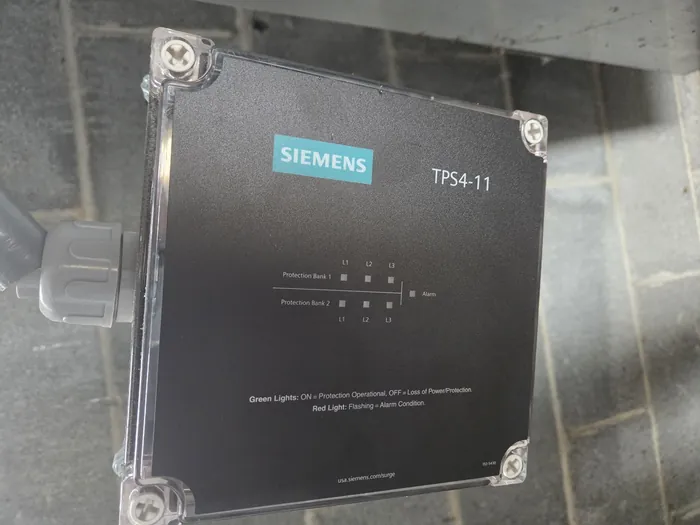 Recommended
Whole-House Surge Protection
RecommendedProtects the charger’s electronics, and every other circuit, from utility-side voltage spikes.
-
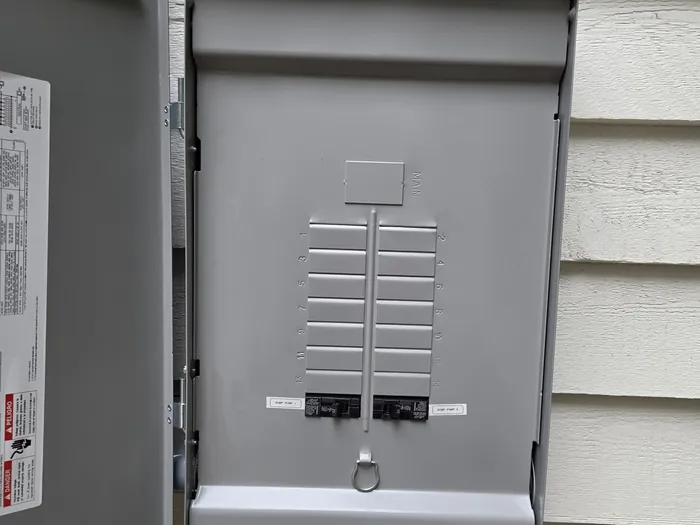 When the panel is full
Subpanel Installation
When the panel is fullAdds capacity near the garage when the main panel is full or far away.
-
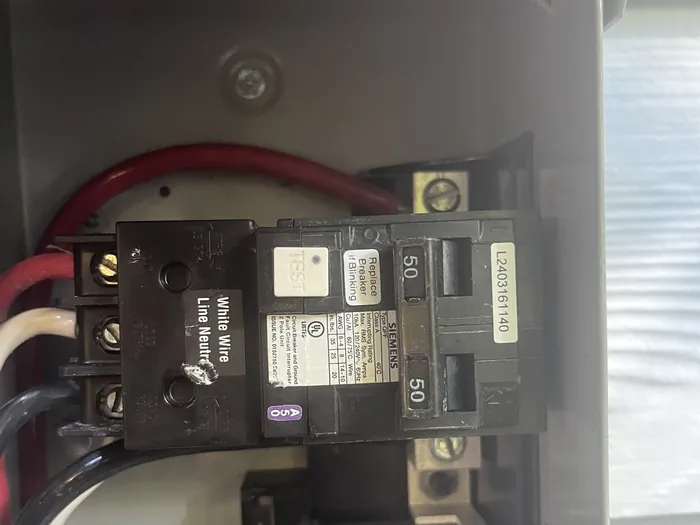 When code requires it
50A/60A GFCI Breaker
When code requires itBreaker-level ground-fault protection when the charger, the connection or code requires it; sized to the circuit.
-
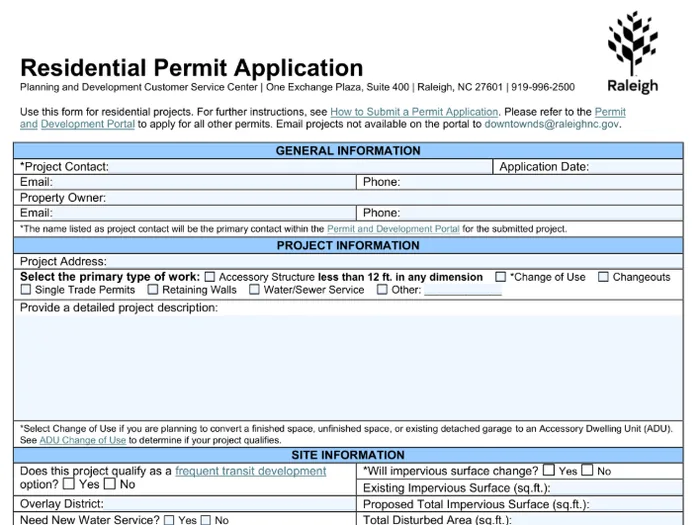 When required
City Permit & Inspection
When requiredPermit fees, filing and inspection scheduling, quoted separately; not in the base installation price.

EV Charger Installation NEC Code Requirements
Every EV charger installation must comply with the National Electrical Code governing continuous loads, GFCI protection, disconnects, and conductor sizing.
-
NEC 625.41
Continuous Load Sizing
EV charging is a continuous load — hours at full draw. The circuit must be sized at 125% of the charger’s rating: a 40A charger requires a 50A circuit with matching conductors.
NEC Ref: 625.41. Overcurrent protection for EV supply equipment shall be sized for continuous duty.
-
NEC 625.54
GFCI Protection
Ground-fault protection is required for EV charging equipment — it shuts off power in milliseconds if current leaks to ground.
NEC Ref: 625.54. Receptacles installed for EV charging shall have GFCI protection for personnel.
-
NEC 220.83
Load Calculation
Before adding the circuit, the panel’s capacity must be verified with a standardized load calculation including demand factors.
NEC Ref: 220.83. Load calculations shall determine whether existing service has sufficient capacity.
-
NEC 625.43
Equipment Listing and Disconnect
Chargers must be listed (UL) equipment; installations over 60A or 150V to ground require a disconnecting means within sight.
NEC Ref: 625.43. Equipment rated more than 60 amperes shall have a disconnecting means within sight.


What People Say About
Our Electrical Services
Homeowners across Raleigh and the Triangle trust our electrical services for reliable results and honest work.
“Had a Tesla Wall Charger installed. Hugo did an excellent job. Very professional. Took time to educate me on my charging options and why the Tesla wall charger was my best option. Job was quickly completed and looks great. Would highly recommend.”

“I had asked Hugo to install a car charger (NEMA 14-50) in 2017. He did an excellent job with great care and very promptly. Due to the excellent work, I've referred him multiple times to others. And then recently asked him to install another charger outlet. It was a much bigger job (see pics) and he took great care and time to complete the work. He was at the site until 10pm completing it and was very attentive to his quality of work. If you have any electrical issue, I have great trust in him and would hire him without hesitation, especially the complicated ones!”

“When you just want competent and kind service, call up for Hugo! So nice, respectful, accommodating, and positive. Will not forget the experience and will call again! Installed my NEMA 14-50 wall charger in 45 minutes.”

Recent EV Charger Installation Jobs
Real jobs, photographed on the day. Every one was permitted and inspected where the code required it.
-
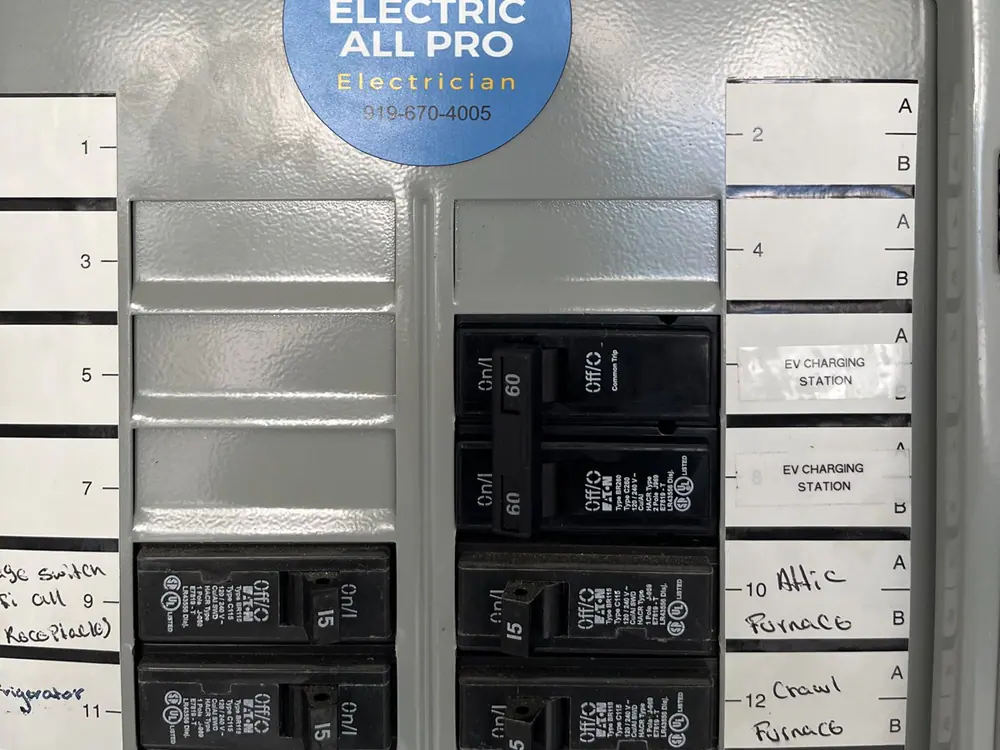 Level 2 EV Charger Installation for a Tesla
Renaissance Park, Raleigh, NC
Tesla Wall Connector
-
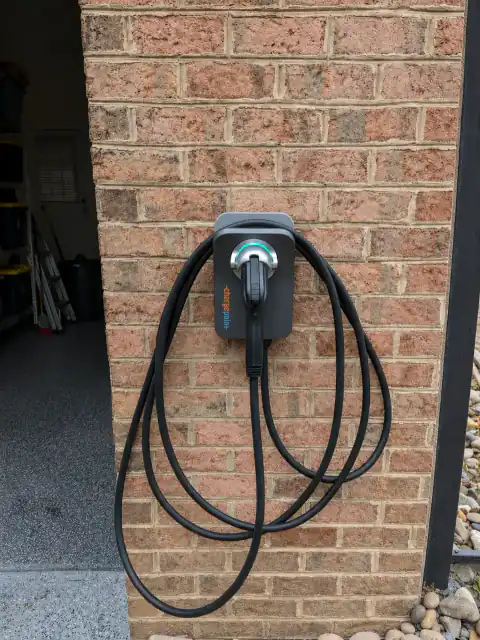
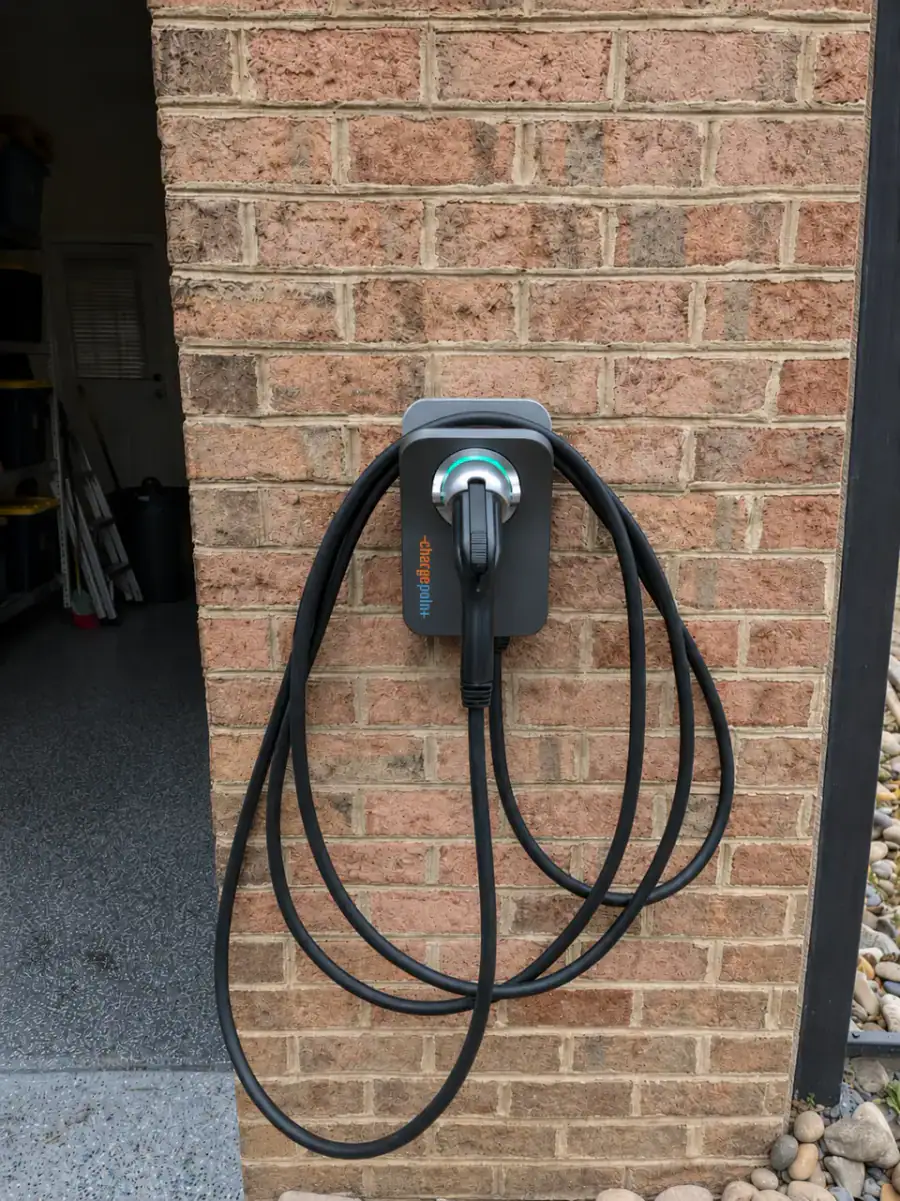 Level 2 EV Charger Install
Brier Creek, Raleigh, NC
Level 2 Charger
-
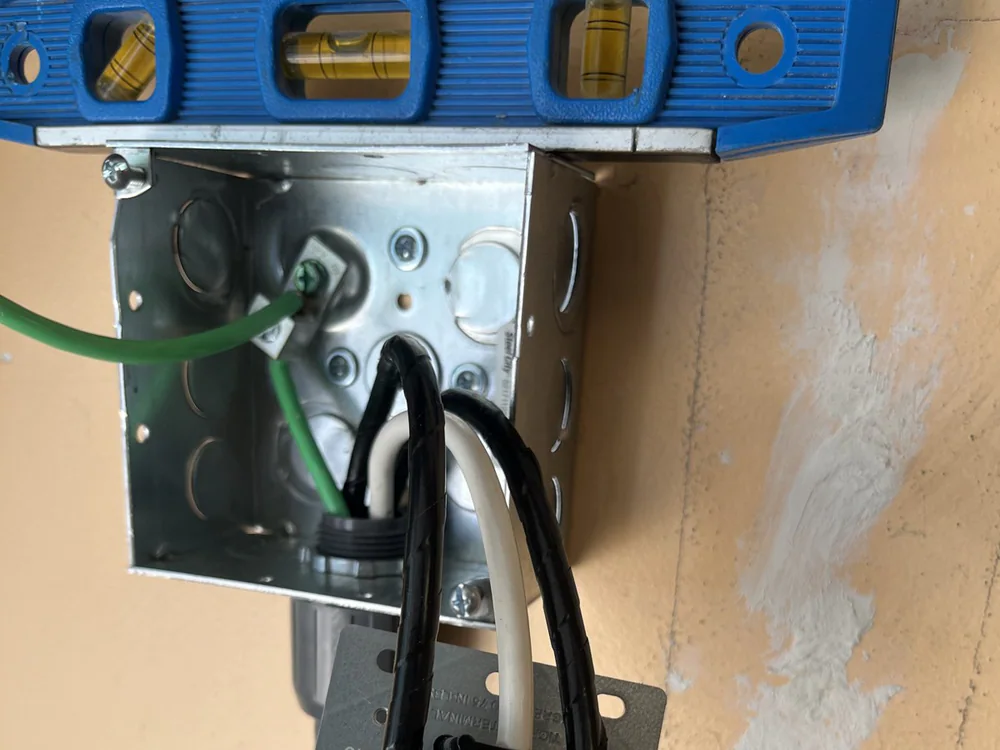 EV Charger Outlet Rewired to Code
Wakefield, Raleigh, NC
EV Outlet Rewired

Proudly Serving Raleigh, NC & The Surrounding Triangle
Electric All Pro provides professional EV charger installation services throughout Raleigh, NC and the surrounding Triangle. Select your city below to confirm we service your area.
- Raleigh, NC
- Cary, NC
- Durham, NC
- Wake Forest, NC
- Apex, NC
- Morrisville, NC
- Knightdale, NC
- Garner, NC
- Clayton, NC
- Holly Springs, NC
- Fuquay-Varina, NC
- Wendell, NC
- Zebulon, NC
- Rolesville, NC
- Youngsville, NC
- And Surrounding Areas

Get Your Free Installation Estimate
Tell us about your charger and where it goes. No obligation.
- Free Estimate
- Licensed & Insured
- 2–4 Hours On Site
Guides for This Job
EV Charger Questions
Common questions from Raleigh homeowners about EV charger installation service.

Speak directly with a licensed electrician in Raleigh — no call centers.


How much does EV charger installation cost in Raleigh, NC?
A standard hardwired Level 2 installation runs $800–$1,800 for the dedicated circuit, standard labor, mounting and hardwiring, and electrical testing; you buy the charger itself. Permit fees and inspection coordination, long wire runs, trenching, or panel work are quoted separately.
Do I need a permit to install an EV charger in Raleigh?
Permit requirements vary by scope and jurisdiction. When a permit and inspection are required or requested, Electric All Pro can coordinate both as a separately quoted add-on before work begins.
Can my electrical panel support a Level 2 charger?
It depends on a professional load calculation — not breaker math. Most 200A homes have room; 100A panels usually need an upgrade or smart load management first.
How long does the installation take?
Most installations are completed in 2–4 hours on-site. When permit coordination is added, municipal review and inspection scheduling may extend the overall project timeline.
Should I buy the charger before the estimate?
Ideally, no. The assessment confirms the right amperage, connector, and mounting location first — so you don’t buy a unit your panel or vehicle can’t take advantage of.
Are there tax credits for EV charger installation?
Not from the federal government anymore. The 30% federal credit for home EV chargers (up to $1,000) ended for chargers installed after June 30, 2026. Ask your utility whether it has a current rebate before you buy.